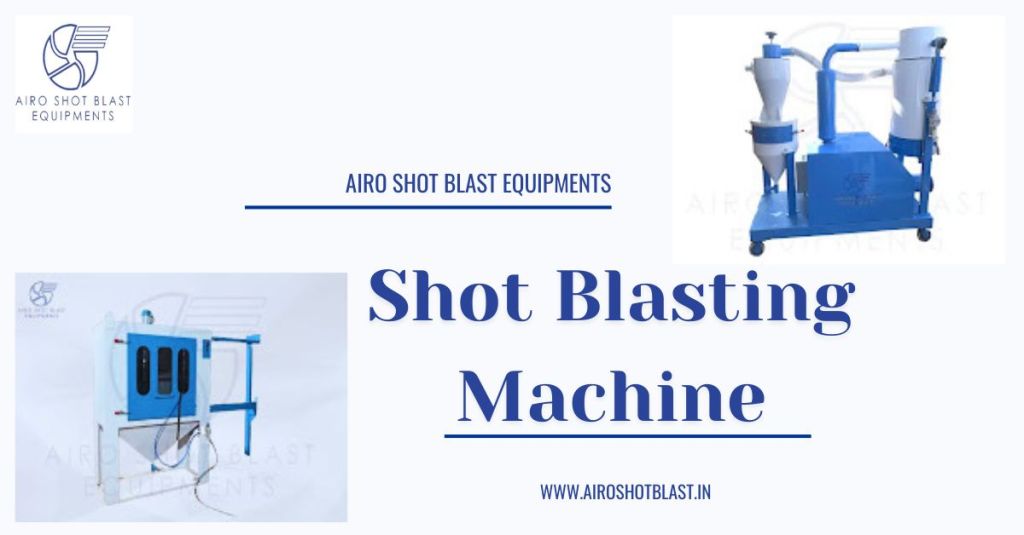
Learn how to select the best shot blasting equipment for industrial production. Explore machine types, key selection factors, expert tips, and buying considerations to improve productivity and surface quality.
Choosing the right shot blasting equipment is one of the most important decisions for any manufacturing business. The machine you select will influence production efficiency, surface quality, maintenance costs, energy consumption, and the overall lifespan of your products.
Many buyers compare machines based only on price. However, the lowest-cost machine may not deliver the performance, reliability, or long-term value your production line requires. The best choice is equipment that aligns with your production capacity, component size, surface preparation requirements, and future business growth.
Whether you operate a steel fabrication unit, foundry, automotive plant, heavy engineering workshop, or infrastructure manufacturing facility, understanding your production needs is the first step toward making the right investment.
Why the Right Shot Blasting Equipment Matters
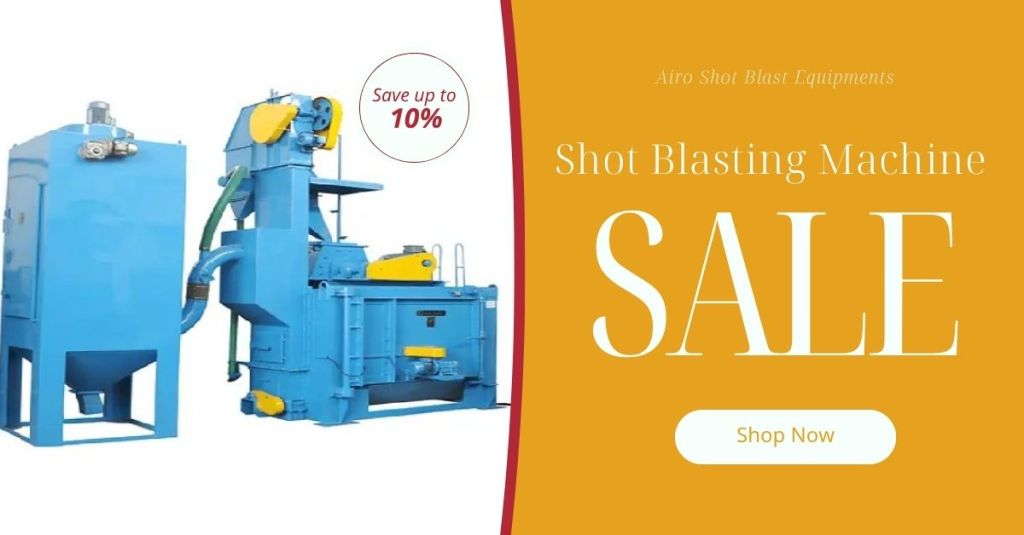
Surface preparation directly impacts coating adhesion, corrosion resistance, and product durability. An unsuitable machine can lead to inconsistent cleaning, higher abrasive consumption, increased downtime, and expensive maintenance.
The right shot blasting equipment helps manufacturers:
- Improve surface cleanliness and finish
- Increase coating adhesion
- Reduce production time
- Lower maintenance expenses
- Improve operator safety
- Extend equipment lifespan
- Deliver consistent product quality
Choosing equipment based on operational requirements rather than initial price helps maximise long-term return on investment.
Understand Your Production Requirements First
Before comparing machine models, evaluate your manufacturing process carefully.
Type of Components
Different workpieces require different blasting systems.
Common industrial components include:
- Steel plates
- Structural beams
- Pipes and tubes
- Castings
- Forged parts
- Pressure vessels
- Automotive components
- Heavy fabricated assemblies
The size, weight, and geometry of the component determine the most suitable machine design.
Production Volume
A small fabrication workshop has different requirements than a large automated manufacturing plant.
Ask yourself:
- How many components are processed daily?
- Will production increase over the next few years?
- Is continuous production required?
Choosing a machine with room for future expansion can reduce replacement costs later.
Surface Preparation Objective
Identify the primary purpose of shot blasting.
Examples include:
- Rust removal
- Mill scale removal
- Paint preparation
- Powder coating preparation
- Descaling
- Deburring
- Surface texturing
Your objective will influence abrasive selection and machine configuration.
Know the Different Types of Shot Blasting Equipment
Roller Conveyor Shot Blasting Machine
This machine is ideal for steel plates, H-beams, structural steel, pipes, and long fabricated sections. It supports continuous production and is widely used in steel fabrication industries.
Hanger Type Shot Blasting Machine
Designed for fabricated components with complex shapes, this machine provides complete surface coverage while protecting delicate areas.
Tumblast Shot Blasting Machine
Suitable for batch production of small and medium-sized components such as castings, forgings, and automotive parts.
Table Type Shot Blasting Machine
This machine is commonly used for heavy, flat, or circular components requiring controlled blasting.
Spinner Hanger Shot Blasting Machine
Frequently used in foundries and automotive manufacturing, this equipment efficiently cleans components with intricate designs.
Key Factors to Consider Before Buying
Machine Capacity
Choose equipment that matches both current and future production requirements. Oversized or undersized machines can increase operating costs.
Abrasive Recovery System
A modern abrasive recycling system improves efficiency, reduces abrasive consumption, and lowers operating expenses.
Dust Collection Performance
Efficient dust collectors maintain a cleaner work environment, improve operator safety, and support compliance with environmental regulations.
Automation Features
Look for features such as:
- Automatic loading and unloading
- PLC-based controls
- Adjustable blasting parameters
- Automatic abrasive separation
- Production monitoring systems
Automation improves consistency while reducing labour costs.
Energy Efficiency
Energy-efficient motors and optimised blast wheel designs help reduce electricity consumption without compromising performance.
Ease of Maintenance
Select equipment with accessible wear parts, simple inspection points, and readily available spare components. Preventive maintenance becomes faster and less expensive.
Evaluate the Manufacturer, Not Just the Machine
The quality of after-sales support is as important as the machine itself.
Before purchasing, consider:
Technical Expertise
Choose a manufacturer with proven experience in industrial surface preparation solutions.
Service Support
Quick technical assistance reduces downtime and improves operational reliability.
Spare Parts Availability
Readily available replacement parts help minimise production interruptions.
Training and Installation
Professional installation and operator training ensure the equipment performs at its full potential from day one.
Common Mistakes to Avoid
Many manufacturers make avoidable purchasing mistakes.
These include:
- Selecting equipment based only on price
- Ignoring future production growth
- Choosing the wrong machine type
- Overlooking maintenance costs
- Ignoring dust collection efficiency
- Not verifying after-sales support
Avoiding these mistakes helps improve long-term productivity and reduces unexpected expenses.
Best Practices for Maximum Performance
Match the Machine to Your Application
Every production process is different. Select equipment specifically designed for your workpieces and production goals.
Follow Preventive Maintenance
Routine inspection of blast wheels, liners, filters, and conveyors helps maintain consistent performance.
Monitor Abrasive Quality
Using clean, properly graded abrasive media improves cleaning efficiency and extends equipment life.
Train Operators
Well-trained operators achieve better surface quality while reducing machine wear and operational errors.
Conclusion
Selecting the best shot blasting equipment is a strategic decision that influences manufacturing quality, production efficiency, and operational costs for years to come. By evaluating your production requirements, understanding machine types, and partnering with an experienced manufacturer, you can make an investment that delivers reliable performance and long-term value.
As industrial quality standards continue to evolve, businesses that choose the right shot blasting solution gain a competitive advantage through improved productivity, stronger product durability, and greater customer confidence.
Upgrade Your Surface Preparation Process Today
If you’re planning to invest in shot blasting equipment, focus on long-term performance rather than short-term savings. A well-designed shot blasting system improves surface quality, reduces maintenance costs, enhances coating performance, and supports efficient industrial production. The right equipment today can help your business achieve higher productivity and sustainable growth tomorrow.
Frequently Asked Questions
Which shot blasting machine is best for industrial production?
The ideal machine depends on your application. Roller conveyor machines are suitable for structural steel, hanger type machines handle complex fabricated components, and tumblast machines are ideal for batch processing of smaller parts.
What factors should I consider before buying shot blasting equipment?
Evaluate workpiece size, production volume, automation level, abrasive recovery system, dust collection efficiency, maintenance requirements, energy consumption, and after-sales support.
How does the right shot blasting equipment improve productivity?
A properly selected machine delivers consistent surface preparation, reduces downtime, lowers abrasive consumption, improves coating adhesion, and increases overall manufacturing efficiency.


Leave a Reply