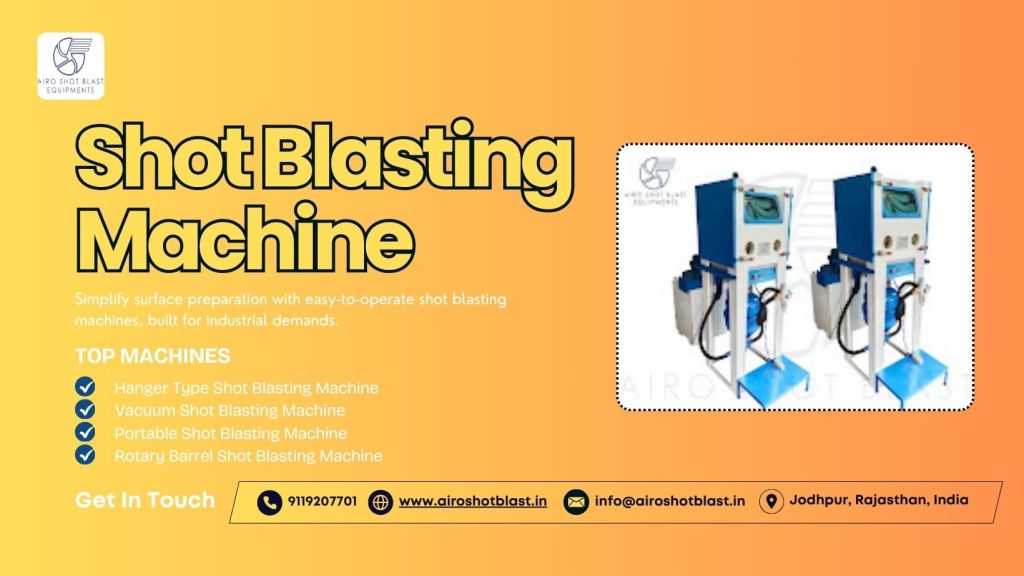
Operating a shot blasting equipment without proper safety protocols isn’t just risky—it’s a recipe for serious accidents. Whether you’re running a small fabrication shop or managing a large-scale industrial facility, understanding and implementing the right safety machine standards can mean the difference between a productive workday and a catastrophic incident.
Why Safety Standards Matter More Than You Think
Shot blasting machine operates at incredibly high velocities, propelling abrasive media at speeds that can easily exceed 200 feet per second. The kinetic energy involved is substantial enough to remove rust, scale, and coatings from metal surfaces—which means it’s more than capable of causing severe injuries if something goes wrong. Beyond the immediate danger to operators, there’s also the risk of equipment failure, dust explosions, and long-term health effects from silica exposure.
The regulatory landscape has evolved significantly over the past decade. OSHA standards, particularly 29 CFR 1910.94 covering abrasive blasting operations, lay out specific requirements that aren’t optional. Facilities that ignore these standards face not only potential fines but also liability issues that can shut down operations permanently.
Essential Safety Components Every Machine Needs
Modern shot blasting machines must incorporate several critical safety features. First and foremost is proper containment. The blast chamber needs to be completely sealed during operation, with interlocks that prevent the machine from running if access doors are open. This isn’t just about keeping debris contained—it’s about preventing anyone from accidentally entering an active blast zone.
Ventilation systems deserve special attention. Dust collection isn’t just about keeping the workspace clean; it’s about protecting workers from respiratory hazards. Your dust collector should be capable of maintaining negative pressure within the blast cabinet, and filters need regular inspection and replacement. Spending money on a high-quality dust collection system isn’t an expense—it’s an investment in your team’s long-term health.
Personal protective equipment requirements extend beyond basic safety glasses. Operators working near shot blasting equipment need hearing protection rated for the specific decibel levels in your facility. Respiratory protection becomes mandatory when dealing with certain materials, particularly if you’re blasting components that may contain lead paint or other hazardous coatings. The right respirator depends on the contaminants present, so a proper hazard assessment is non-negotiable.
Machine Maintenance as a Safety Practice
Here’s something many operators overlook: regular maintenance isn’t just about keeping the machine running efficiently—it’s a critical safety requirement. Worn blast wheels can throw media unpredictably, potentially compromising containment. Damaged seals allow dust to escape, creating respiratory hazards and potentially explosive dust clouds in the wrong conditions.
Establish a documented maintenance schedule that includes daily pre-operation checks, weekly inspections of critical wear components, and monthly comprehensive reviews. Pay particular attention to blast wheel condition, door seals, dust collector performance, and emergency stop functionality. Every component that shows excessive wear should be replaced immediately, not when it finally fails.
Training: Your First Line of Defense
You can have the safest equipment money can buy, but it’s worthless if your operators don’t know how to use it properly. Effective training goes beyond a quick demonstration. Operators need to understand not just the “how” but the “why” behind each safety procedure.
Read More – https://sites.google.com/view/airo-shot-blast/blog/buy-industrial-blasting-machine-direct-from-manufacturer
Cover emergency procedures thoroughly. What happens if the machine jams? What if there’s a dust collector failure? How do you safely clear a blockage? These scenarios need to be addressed before they occur, not in the heat of the moment when something goes wrong.
Documentation of training is equally important. OSHA requires written certification that employees have received proper instruction, including the date of training and the specific topics covered. This documentation protects both the employer and the employee.
Looking Ahead
Safety standards continue to evolve as equipment technology advances. Automated shot blasting systems introduce new considerations around lockout/tagout procedures and robotic safety protocols. Staying current with industry best practices through trade associations and continuing education ensures you’re not caught off guard when standards change.
The bottom line? Cutting corners on shot blasting safety standards isn’t just illegal—it’s indefensible. The cost of proper safety equipment, training, and maintenance pales in comparison to the price of a serious accident. Make safety your priority, and everything else becomes easier to manage.


Leave a Reply